Sulfuric acid 2N
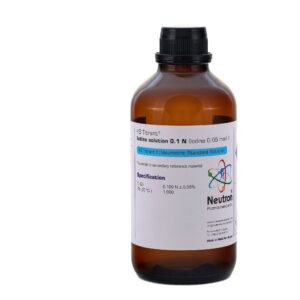
Sulfuric Acid 2 N is a standardized aqueous solution of sulfuric acid with a normality of 2 N, intended for volumetric analysis, sample acidification, and other general laboratory applications requiring reliable acid strength.
🏭⚗️ Production
Sulfuric Acid 2 N is prepared by carefully diluting concentrated sulfuric acid with high-purity water under controlled conditions. The solution is standardized to 2 N through precise volumetric measurement, filtered if necessary, and packaged in inert, acid-resistant containers under moisture-controlled conditions to ensure chemical stability and prevent contamination.
🔬 Properties
Sulfuric acid is a clear, colorless to slightly yellow, viscous liquid in concentrated form, with a molar mass of 98.08 g/mol. In aqueous solution at 2 N, it is a strong diprotic acid that fully dissociates to provide hydronium and sulfate ions. The solution is miscible with water in all proportions and exhibits highly acidic behavior with a pH less than 1. It reacts exothermically when concentrated acid is diluted and remains highly corrosive and reactive with metals, bases, and organic materials.
🧪 Applications
Sulfuric Acid 2 N is used in analytical and pharmaceutical laboratories as a standardized acid for titrations, pH adjustment, sample acidification, preparation of reagents, and acid cleaning of glassware. It provides consistent and reproducible results for volumetric analysis and is suitable wherever a moderately strong, controlled-acidity solution is required.
⚠️ Safety
Sulfuric Acid 2 N is highly corrosive and can cause severe burns to skin and eyes. It is hazardous if inhaled, ingested, or contacted with skin. Handling must be done in a well-ventilated fume hood while wearing protective gloves, goggles, and suitable laboratory clothing. Always add acid to water to prevent violent exothermic reactions. Store the solution in tightly sealed, acid-resistant containers in a cool, ventilated area, away from incompatible materials such as bases, oxidizers, and combustibles. Waste must be disposed of according to institutional hazardous waste protocols, and neutralization should be performed cautiously under controlled conditions.